

Alpinestars Tech-Air MX Review: Is This the Future of Motocross Protection?
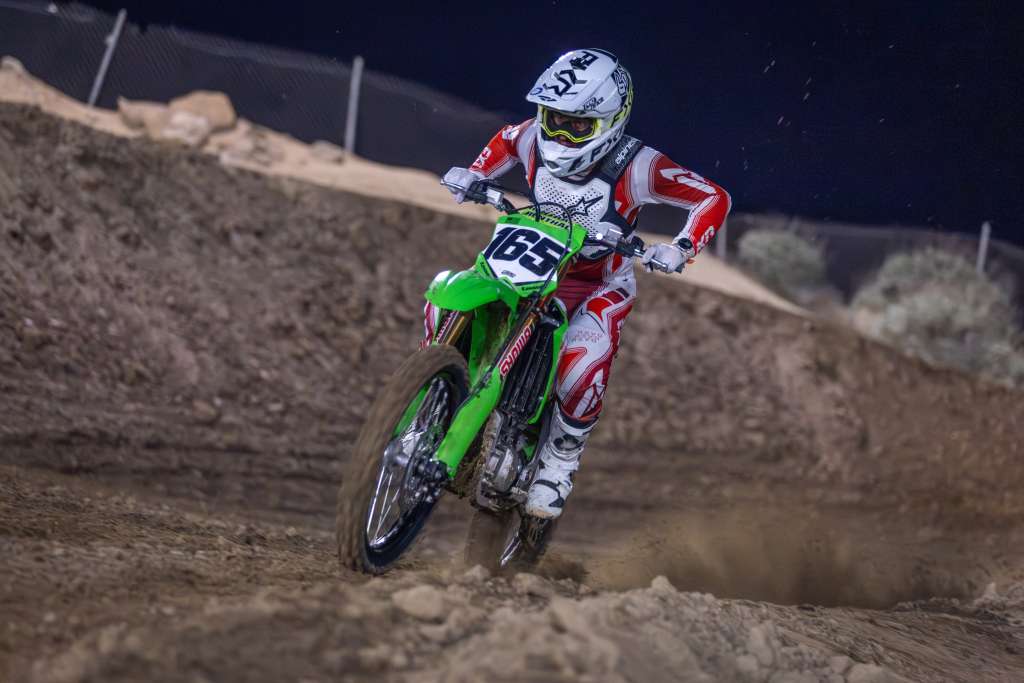
Motocross has come a long way when it comes to rider safety. We’ve seen improvements in helmets, neck braces, knee braces, chest protectors, and just about every other piece of protective equipment we wear. However, one area that hasn’t changed dramatically over the years is upper-body impact protection. That’s where the Alpinestars Tech-Air MX system comes into play.
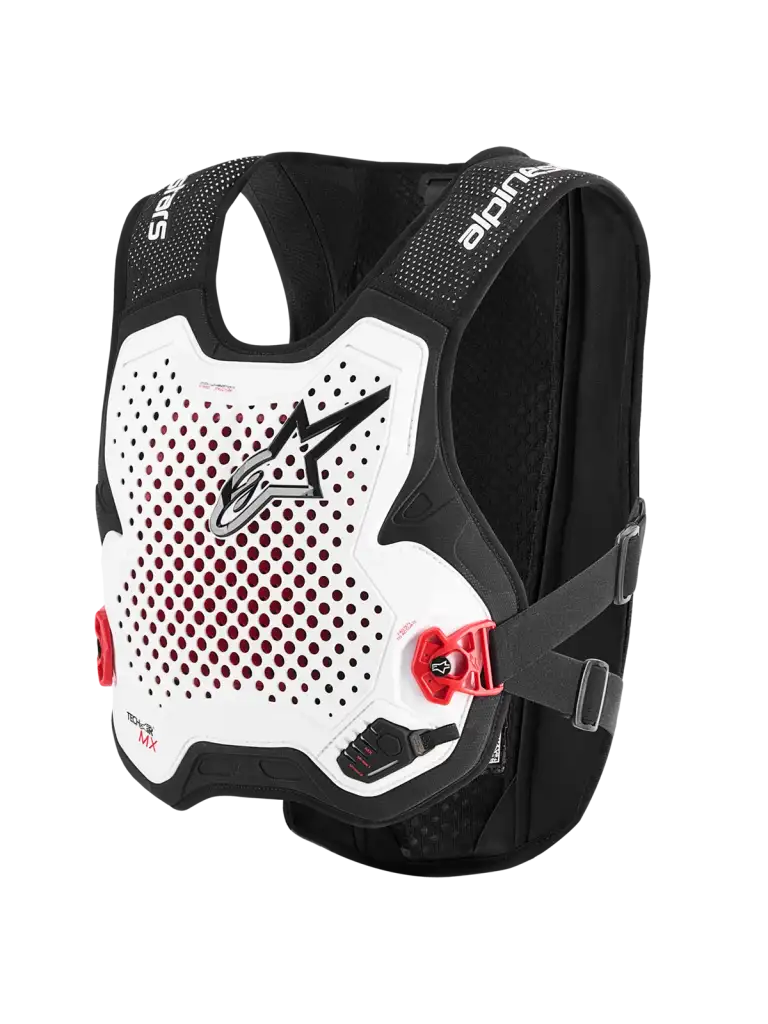
The Tech-Air MX takes a different approach to rider protection by incorporating electronic airbag technology specifically designed for the demands of motocross. Instead of relying solely on traditional hard plastic and foam to absorb impacts, this system is designed to recognize certain crash situations and deploy an airbag before the rider hits the ground.
For those of us who spend a lot of time riding and testing motorcycles, the idea of having additional protection around the upper body is appealing. Motocross is unpredictable, and it doesn’t matter whether you’re a beginner or a seasoned vet rider. Sometimes the ground comes up and bites you when you least expect it.
The big question is whether the added technology, weight, and expense are worth it for the everyday motocross rider.
How Does The Tech-Air MX Work?
The heart of the Tech-Air MX system is an electronic control unit that uses accelerometers, gyroscopes, and crash-detection software to monitor the rider’s movements. Alpinestars has spent years collecting information from professional motocross and supercross riders to help the system distinguish normal riding movements from potential crashes.
This is important because motocross isn’t like street riding. We’re constantly jumping, landing, accelerating, braking, and moving around on the motorcycle. The system needs to understand the difference between landing hard off a jump and actually going over the bars.
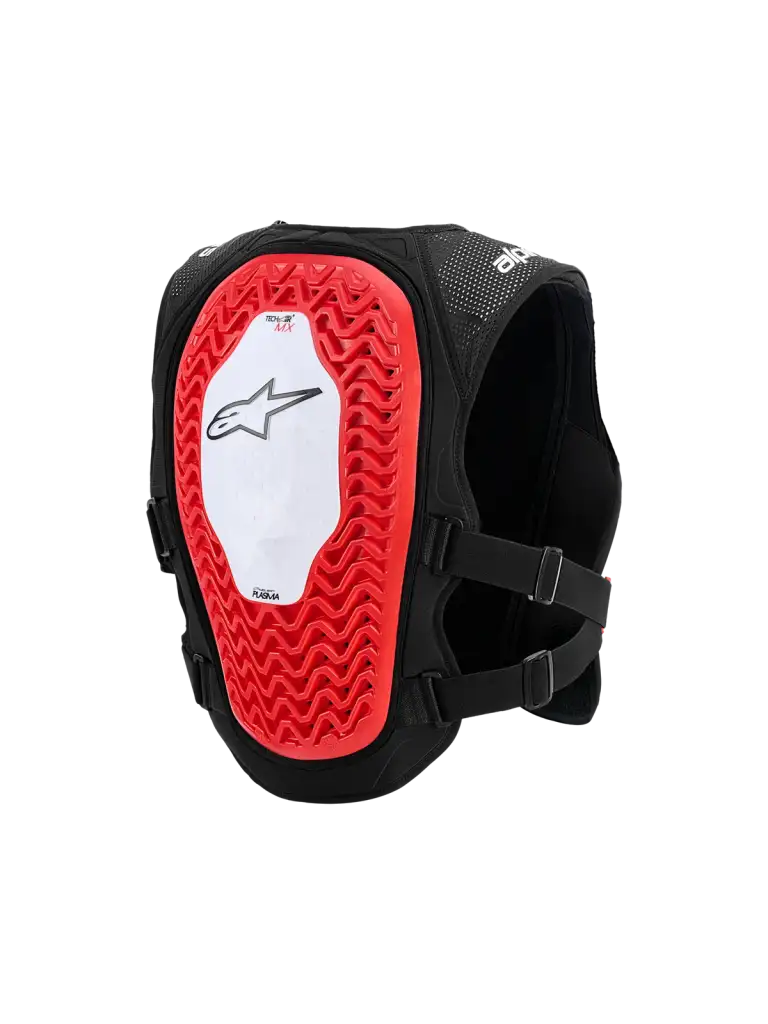
When a crash is detected, the airbag is designed to inflate in approximately 40 milliseconds, providing additional protection around the chest, shoulders, and back. Alpinestars claims the deployed system offers more than four times the impact protection of its passive armor alone. That’s a significant claim, although it doesn’t mean the system can prevent every injury.
Different Riding Modes
One feature I really like about the Tech-Air MX is that it isn’t limited to a single crash-detection setting. Alpinestars includes four riding modes that allow the system to adapt to different types of riding.
-
MX Mode: The standard setting designed for traditional motocross tracks, including jumps, ruts, braking bumps, and rough terrain.
-
MX Race Mode: Designed for competitive riding, with higher crash-detection thresholds to help avoid unnecessary deployments during aggressive racing.
-
Enduro Mode: Calibrated for slower-to-medium-speed off-road riding and technical terrain.
-
Rally Mode: Designed around higher-speed off-road riding conditions.
These settings can be selected through the Tech-Air app or the system’s onboard controls.
Battery Life And Maintenance
The Tech-Air MX has a claimed battery life of up to 30 hours, which should be plenty for multiple days at the track. It charges through a USB-C connection, and Alpinestars claims that one hour of charging provides approximately eight hours of riding time.
The system automatically powers on when the left-side buckle is connected, eliminating the need to remember to turn it on before every moto.
Another interesting feature is the replaceable gas canister. After a deployment, the canister can be replaced, and the airbag repacked according to the manufacturer’s instructions. The system is certified for up to six deployments, provided the airbag and other components remain undamaged.
That doesn’t mean you can crash six times without inspecting anything. Any deployment should be followed by a proper inspection before returning to the track.What Are The Downsides?
As impressive as the technology is, there are a few things riders need to consider.
First is the price. At approximately $699.95, the Tech-Air MX is considerably more expensive than a conventional chest protector. There are also ongoing expenses associated with replacing the gas canister after deployment.
Second is the weight. Nearly seven pounds of additional protective equipment isn’t insignificant, particularly when you’re already wearing a helmet, boots, knee braces, and the rest of your riding gear.
Third is the electronic component. Unlike a traditional chest protector that you simply throw on and forget about, the Tech-Air MX requires charging, maintenance, and an understanding of its operating modes.
Finally, this is not a guarantee against injury. The system must detect a crash and deploy in time to provide its intended airbag protection. Certain crashes may not trigger deployment, and no protective system can eliminate the possibility of serious injury.
Is It Worth The Money?
For me, the most interesting part of the Tech-Air MX isn’t necessarily the technology itself. It’s what this type of protection could mean for riders who want to continue enjoying motocross as they get older.
At 20 years old, most of us weren’t thinking too much about the consequences of hitting the ground. At 40, 50, or 60, things change. Recovery takes longer, injuries tend to linger, and missing work because of a crash becomes a bigger concern.
That’s where a product like this starts to make more sense. If you’re someone who rides two or three times per week, the cost becomes easier to justify when spread across the amount of time you spend on the motorcycle. Plus you still have to go to work and take care of your family. The cost is steep but so is an injury where you’re not able to go to work.
However, I wouldn’t suggest that every rider immediately needs to replace their existing chest protector. Fit, comfort, weight, ventilation, and overall ease of use are all important factors that deserve attention.
Fit, Comfort, And On-Track Feel
One of my biggest concerns with the Alpinestars Tech-Air MX system before riding with it was the additional weight. Let’s face it, nobody wants to strap on more weight when they’re already working hard during a 20-30 minute moto. However, after spending time riding in the Tech-Air MX, I was pleasantly surprised by how well the weight was distributed across my upper body.
Yes, the system is heavy compared to a traditional chest protector, but once I had it on and adjusted properly, the weight was dispersed evenly across my torso. Instead of feeling like I had a bunch of added weight hanging off my shoulders, the Tech-Air MX hugged my body nicely and had a snug, secure fit. This made the additional weight much less noticeable while riding than I originally anticipated.
For reference, I am 6’0″ and weigh 185 pounds, and I tested a size Large. The fit was excellent for my body type, with enough adjustability to keep the system close to my torso without feeling overly restrictive. Whether I was standing up through braking bumps, moving forward into corners, or transitioning around the motorcycle, the Tech-Air MX stayed in place and didn’t feel like it was fighting against my body movements.
One negative that I did notice was the additional heat. On warmer riding days, the Tech-Air MX definitely felt hotter than some of the more traditional, lightweight chest protectors that I normally wear. There is simply more material covering your upper body, and even with the ventilation built into the system, you can feel that additional warmth. If you’re riding in the middle of summer or putting in longer motos in hot conditions, this is something you’ll want to consider.
However, the biggest positive for me was the overall feeling of protection. The Tech-Air MX gave me a superb sense of security while riding. It feels substantial, fits tightly against the body, and gives you the impression that you’re wearing something designed for more than just deflecting roost. Obviously, I wasn’t going out of my way to test the airbag deployment by crashing, but the overall fit and protective coverage gave me an added level of confidence on the track.
My takeaway: The Tech-Air MX is heavier and warmer than a conventional chest protector, but Alpinestars has done an impressive job distributing that weight across the torso. For my 6’0″, 185-pound frame, the size Large fit extremely well, and the secure feel of the system was one of its biggest strengths. The extra heat is a drawback, but the overall feeling of protection makes that compromise easier to accept.
Final Thoughts
After spending time riding in the Alpinestars Tech-Air MX, I came away more impressed than I initially expected. Going into this test, I thought the weight would be the biggest issue, but the way the system distributes that weight across your torso makes it surprisingly comfortable once you’re on the motorcycle.
Is it heavier than a normal chest protector? Absolutely. Is it warmer? Yes, especially on hot days. However, the snug fit, secure feel, and additional protection offered by the airbag technology make those compromises worth considering.
As a vet rider who spends a lot of time on the track, I appreciate protective equipment that doesn’t interfere with my ability to move around the motorcycle. The Tech-Air MX does a good job of balancing that freedom of movement with a substantial feeling of upper-body protection.
For riders who are serious about protecting themselves and extending their years on the motorcycle, the Tech-Air MX is a product worth looking into. It isn’t inexpensive, and it isn’t the lightest option available, but the technology and overall fit make it an impressive piece of protective equipment.
Bottom line: I would rather deal with a little additional weight and heat if it means having the potential for better protection when things go wrong. The Alpinestars Tech-Air MX isn’t perfect, but after riding with it, I can see why electronic airbag protection could become a much bigger part of motocross in the coming years.
