

By Seiji Ishii
Self-monitoring tools can help you train better—or they can stall you out. The difference is how you react to what they tell you.
The Device Isn’t the Problem
It seems like everyone is running something now—Whoop, Garmin, HRV, sleep scores, diet tracking. None of that is the issue. If anything, it’s useful. You’ve got more information than riders ever had before.
Where it can go sideways is what you do after you look at it.
Most riders don’t have a data problem. They have a reaction problem. They either chase the numbers, ignore them completely, or get stuck in the middle, constantly second-guessing what they’re supposed to do. That’s where paralysis by analysis shows up—not from the device itself, but from how much weight you give it in the moment.
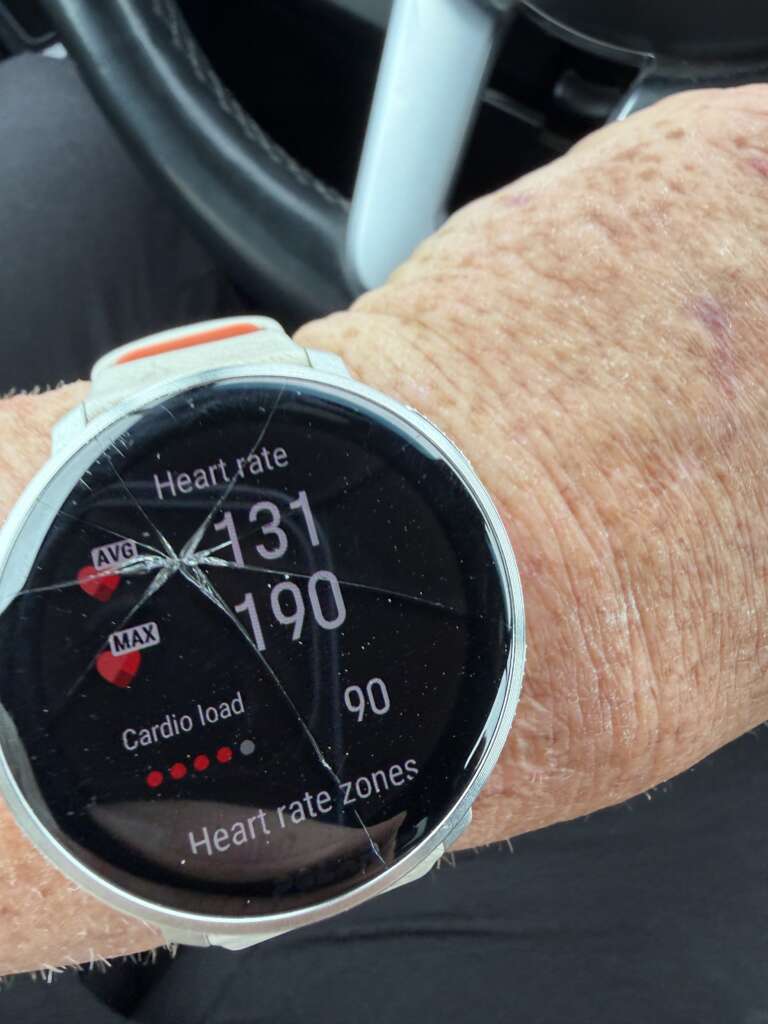
Data Doesn’t Get a Vote
Your device doesn’t decide what today is.
It doesn’t override the plan, and it definitely doesn’t know what race demands look like or what your last few days felt like. It gives you a piece of information, and that’s it. The mistake is treating that information like a decision.
Once you start doing that, you lose consistency. Every session becomes conditional. You start negotiating instead of executing, and over time, that adds up to a lot of “almost good” training that never really stacks.
You don’t need perfect conditions to get better. You need repeatable ones.
What a Healthy Reaction Looks Like
A good reaction to data is controlled and uneventful.
You check it once, you put it in context, and you move forward with the session you already planned. If something is clearly off—poor sleep stacked with fatigue, or a few hard days in a row—you might tighten things up a bit. Cut volume or control the intensity. Extend the warm-up. Stay disciplined about how you execute.
What it doesn’t mean is scrapping the day or turning a moderate session into a hammerfest because your watch told you you’re “ready.”
The adjustment is small. The intent stays the same.
Short-Term Decisions vs. Long-Term Trends
This is where people can misuse these tools.
They take something that only makes sense over time and try to use it to make a decision that morning.
HRV is a trend, not a verdict. Sleep scores matter as patterns, not as a single bad night. Training load only makes sense when you zoom out far enough to see how weeks are stacking.
If you zoom in too tightly, everything looks like a problem. You’ll always find something off if you look hard enough. Zoom out, and most of it lines up with what you’d expect based on the work you’ve been doing.
Your job day-to-day is to execute the session correctly. Your job, week-to-week, is to see whether the plan is working.
Those are two different jobs. Mixing them up is what creates noise and bad decisions.
Stop Chasing the Score
A green recovery score doesn’t mean it’s time to go harder than planned.
A red score doesn’t automatically mean you shut it down.
If you chase green days, you dig a hole that shows up a few days later. If you hide behind red days, you avoid the consistent work that moves you forward. Either way, the data starts to drive instead of support.
The goal is to match the session’s demand, not the color on the screen.
Sometimes the Best Move Is to Not Look
For some riders, the right play isn’t a better interpretation. It’s removing the input completely.
If you’re the type who sees a low score and immediately tightens up, second-guesses the plan, or starts negotiating effort, you’re not using the data—you’re reacting to it. And that reaction shows up on the bike.
Race week is where this matters most.
